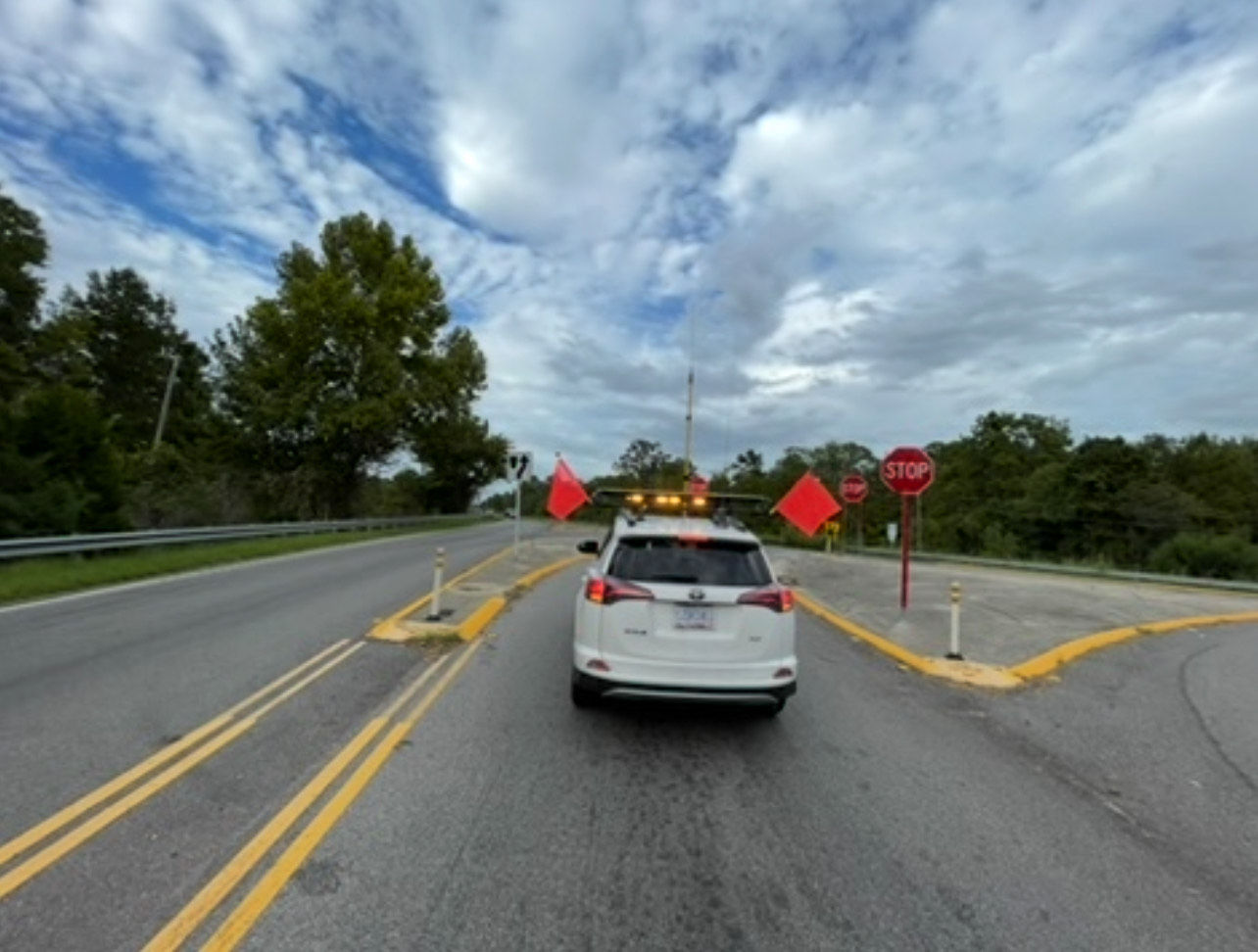

Winter Weather Challenges for Pilot Car Routes and Scheduling in North America
- Joe AB

- Jun 18, 2025
- 2 min read
Updated: Feb 28
Winter weather creates significant operational challenges for oversize load transportation across United States and Canada. Snow, ice, low visibility, and road restrictions can affect pilot car scheduling, route safety, and delivery timelines. Understanding these challenges helps transportation companies, drivers, and clients maintain safer and more reliable operations during winter months.

❄️ How Winter Weather Impacts Pilot Car Operations
Winter weather is one of the most unpredictable factors in heavy haul escort services. Snowstorms and freezing temperatures can quickly change road conditions. Many highways in North America experience temporary closures or reduced speed limits during severe weather.
Pilot car drivers must constantly monitor weather forecasts and road updates before and during transport movements. Sudden snow accumulation can reduce traction, increase stopping distance, and create hazardous driving conditions for oversized loads.
🚛 Road Safety and Visibility Issues
Low visibility is a major concern during winter transportation. Snowfall, blowing snow, and fog can limit a driver’s ability to see road markings, trucks, or obstacles ahead.
Pilot cars play an important safety role by:
Alerting truck drivers about road hazards
Helping navigate through traffic or construction zones
Monitoring lane clearance for oversize loads
Communicating real-time road conditions
Safety is especially critical when transporting large equipment that requires extra space and careful maneuvering.
⛔ Road Closures and State or Provincial Restrictions
Many states and provinces impose weather-related travel restrictions during winter storms.
Highways in colder regions may restrict heavy transport movement until roads are cleared. Some mountain and northern routes may remain closed for extended periods after heavy snowfall.
Transportation planners must check local regulations and road status before scheduling oversize load movement.
⏰ Scheduling Delays and Delivery Planning
Winter weather often causes unavoidable delays. Professional escort service providers help clients adjust schedules and avoid rushing shipments during unsafe conditions.
Good planning includes:
Allowing flexible delivery windows
Monitoring storm forecasts
Preparing alternate routes
Coordinating with drivers and customers
📏 Importance of Route Surveying in Winter
Route surveys become more critical during winter operations. Snow-covered roads can hide:
Low clearance bridges
Roadside obstacles
Shoulder width limitations
Height restriction signs
Route verification using physical measurement tools helps reduce transportation risks.
👷 Role of Professional Pilot Car Services
Professional escort services help improve safety and operational efficiency. Experienced pilot car teams support oversize load drivers by maintaining communication, checking road conditions, and assisting with navigation.
For family-owned businesses like escort service providers, building trust with customers is essential. Clients often rely on local expertise, real-time updates, and safe transport execution.
🌨️ Preparing for Winter Transport Success
Transportation companies can improve winter operations by:
Monitoring weather forecasts regularly
Choosing experienced escort drivers
Performing triple measurement checks before departure
Maintaining communication between escort cars and truck drivers
Winter transportation requires patience, professionalism, and safety-first decision making.
⭐ Conclusion
Winter weather remains one of the biggest operational challenges for oversize load transportation in North America. Working with reliable pilot car service providers helps reduce risks, improve route safety, and manage scheduling uncertainties.
Professional escort coordination ensures that heavy haul shipments reach their destinations safely even during harsh winter conditions in the United States and Canada.


Comments